
Picosecond Laser Tattoo Removal FAQ for Professional Clinics
Overview
Picosecond laser tattoo removal requires ultra-short pulse delivery, wavelength flexibility, and clear treatment protocols for black, blue, red, orange, and mixed-color tattoo inks. This FAQ helps clinics and distributors understand what matters when evaluating a tattoo removal platform.
Frequently Asked Questions
Why are picosecond pulses used for tattoo removal?
Picosecond pulses create strong photoacoustic effects that help fragment pigment particles while limiting unnecessary heat spread to surrounding tissue.
Which wavelengths are important?
Common tattoo workflows use 1064nm for dark inks, 532nm for red and warm colors, and 755nm for selected green, blue, and stubborn pigments.
How many sessions are usually required?
Session count depends on ink depth, color, age, density, skin type, and aftercare. Clinics should avoid promising a fixed number for every patient.
Does skin cooling help tattoo removal comfort?
Yes. Cooling can reduce burning and stinging sensations, making treatments more tolerable and helping clinics maintain a smoother workflow.
Clinical / Technical Explanation
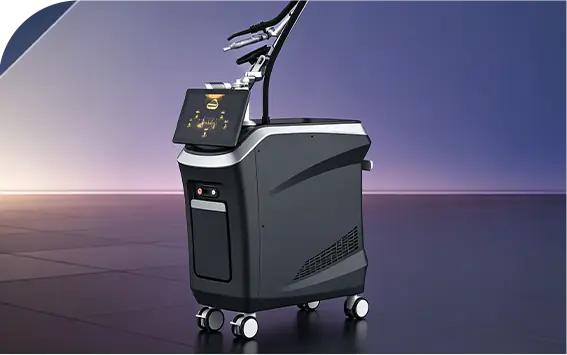
A professional picosecond platform should provide stable pulses, adjustable spot size, appropriate wavelengths, and handpiece control. Energy calibration and pulse consistency are important for predictable pigment fragmentation and operator confidence.
B2B Purchasing and Distributor Notes
Distributors should request parameter guides, training documents, spare parts lists, warranty terms, and export documentation before promoting tattoo removal systems in local markets.
Conclusion
Picosecond tattoo removal can be a strong clinic revenue category when the device combines pulse precision, wavelength coverage, cooling support, and clear clinical guidance.
Need help choosing the right aesthetic laser device? Contact us for OEM/ODM support, product recommendations, and export-ready cooperation details.