
Skin Cooling Machine for Laser Treatment FAQ
Overview
Skin cooling machines support comfort during energy-based aesthetic treatments and help clinics reduce procedure interruptions caused by heat and discomfort. This FAQ explains how cooling systems fit into laser treatment workflows.
Frequently Asked Questions
What does a skin cooling machine do?
It delivers cold air or cooling support to the skin surface during or after treatment, helping reduce discomfort and improve patient tolerance.
Can it be used with different laser platforms?
Yes. Separate cooling machines can support Q-switch Nd:YAG, picosecond laser, fractional CO2, IPL, and diode hair removal workflows when used appropriately.
Is integrated cooling different from separate cooling?
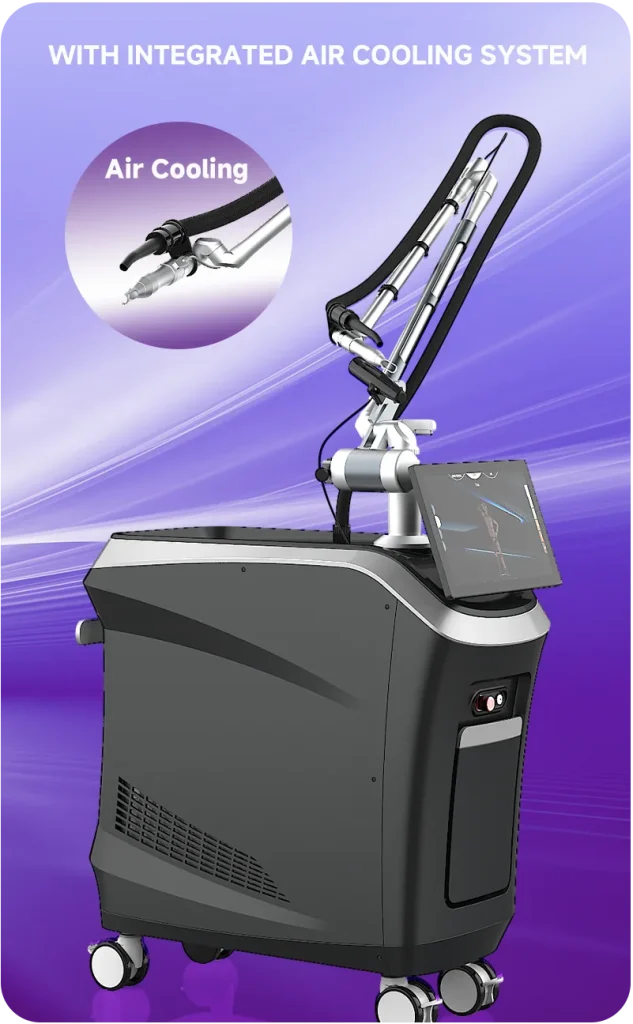
Integrated cooling is synchronized with the treatment device, while separate cooling can be positioned independently across multiple platforms. Each workflow has different clinic advantages.
What should buyers compare?
Cooling strength, airflow control, noise level, hose ergonomics, service support, and compatibility with existing laser rooms should all be reviewed.
Clinical / Technical Explanation
The value of cooling depends on stable cold-air delivery, ergonomic nozzle positioning, and consistent operation during high-traffic clinic sessions. Strong cooling can improve perceived comfort without changing the underlying laser protocol.
B2B Purchasing and Distributor Notes
OEM/ODM partners often request branding, housing color, documentation, and package customization for cooling systems because the device is highly visible in clinic treatment rooms.
Conclusion
A professional skin cooling machine can improve treatment comfort, support multiple laser platforms, and help clinics deliver a more premium patient experience.
Need help choosing the right aesthetic laser device? Contact us for OEM/ODM support, product recommendations, and export-ready cooperation details.